
Boutique Boot Camp: Nine rules
The watches are expensive. The training should not feel cheap.

I am tired of the general performance at high-end boutiques. I can count a handful of times in the last decade where I have been impressed.
Not because boutique staff should be collectors, scholars, or unpaid brand historians. Most are not paid enough, trained enough, or empowered enough for that.
That is precisely the problem.
Brands put staff in expensive rooms, in front of serious clients, fragile objects and emotionally loaded purchases, without always giving them the training, technical literacy or handling discipline the product requires.
So here are nine rules brands should already be teaching; my nine lives that you can lose, that virtually no brand seems to be able to keep these days. Probably because to train staff to do so would trigger some HR violation.
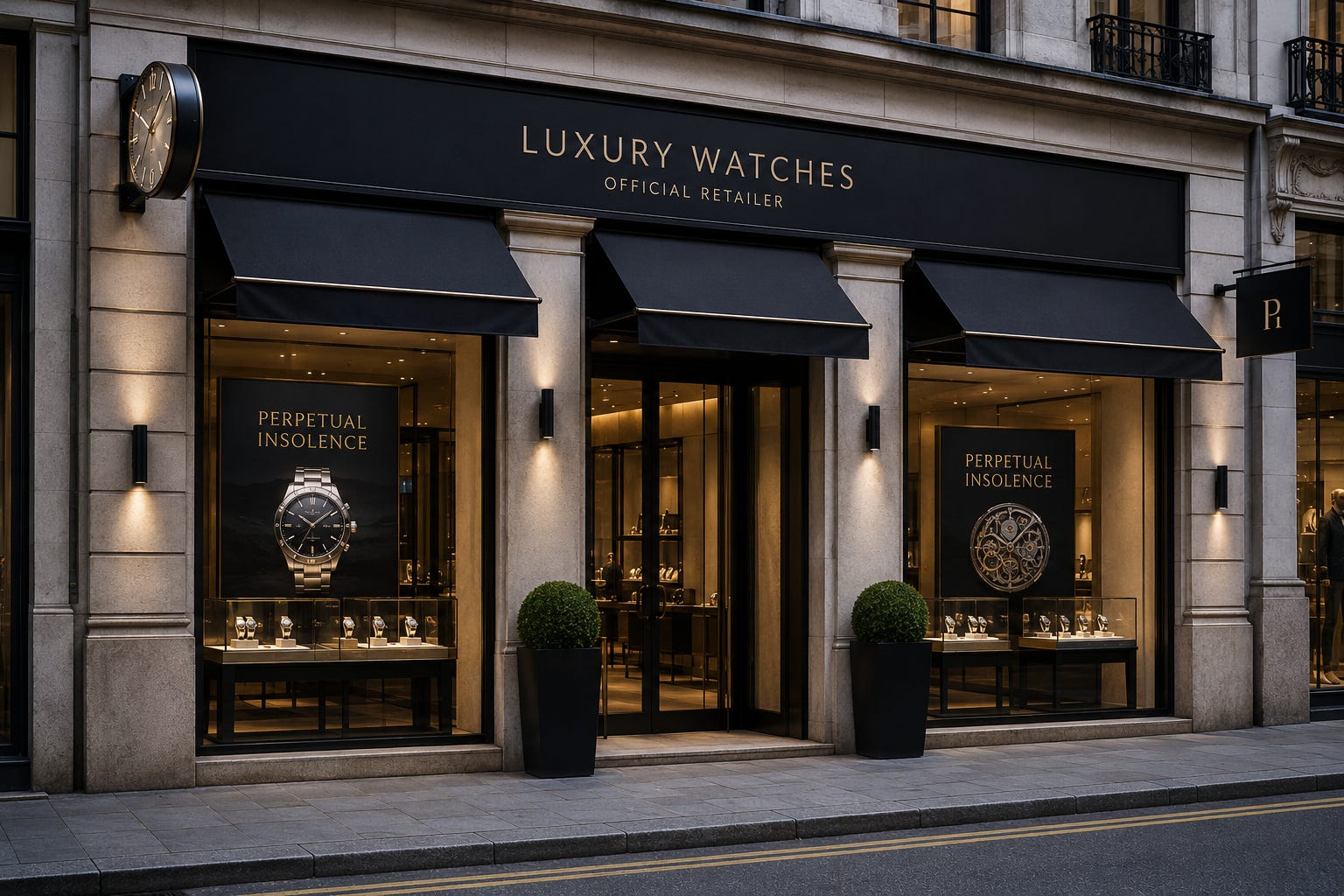
This is not about servitude, nor entitlement. Nobody needs performative reverence, the theatre of “sir” every few seconds. This is about basics.
A high-end watch boutique is not a supermarket, or a nightclub queue. It is a retail environment where the object on the tray may cost more than a car, and where the client’s own watch may be rare, sentimental, mundane, irreplaceable, an unknown microbrand, or simply valuable.
These standards should not be mysterious and are non-negotiable.
1. Stand up to shake hands.